
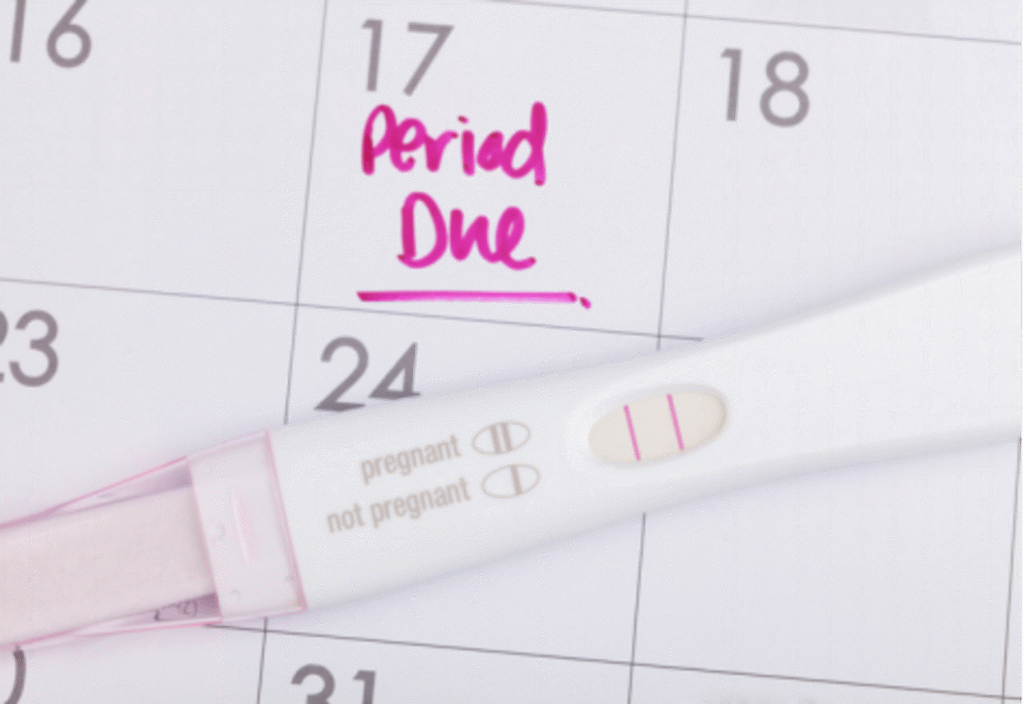
Image source: lighthouseprc.org
When you’re expecting, one of the first questions that comes up is: When did I conceive? Calculating your conception date can feel like solving a small mystery. Still, it’s an important one as it gives you a better understanding of your pregnancy timeline.
While it sounds straightforward, calculating your conception isn’t always as simple. Your body’s biology makes the process more complex, which is why having a reliable way to estimate your conception date is so valuable.
What Is A Conception Date?
Your conception date is the day the sperm fertilizes the egg. In other words, it marks the very beginning of your baby’s development. From this moment forward, the pregnancy clock starts ticking.
But conception doesn’t necessarily happen the same day you had sex. Sperm can survive in a woman’s reproductive system for up to five days, and the egg itself is viable for about 24 hours after ovulation. That means conception could occur anywhere within a several-day window.
Because of this, doctors usually rely on the first day of your last menstrual period (LMP) to calculate pregnancy milestones rather than trying to pinpoint the exact date of conception.
How Can You Calculate Your Conception Date?
There are a few different methods to estimate your conception date:
- Using your Last Menstrual Period (LMP):
Start with the first day of your last period. Add about 11 to 21 days (the average ovulation range). Your conception date will likely fall within that window.
- Tracking Ovulation:
If you’ve been charting your cycle, monitoring basal body temperature, or using ovulation predictor kits, you’ll have a clearer idea of when you ovulated. Conception most likely happened within a day of ovulation.
- Using an Online Tool:
The easiest method? Use our Conception Date Calculator. By entering your due date, you can quickly get an estimated conception date.
It’s worth noting that certain factors can affect the accuracy of these calculations. Stress, illness, travel, and hormonal changes can all shift your ovulation timing unexpectedly. Women with conditions like PCOS or thyroid disorders may experience irregular cycles, making estimation more challenging. Additionally, if you’ve recently stopped hormonal birth control, your cycles might take several months to normalize.
Can You Know The Exact Conception Date?
Not always. Conception dates are estimates, not exact science. Even if you tracked your cycle carefully, biology can still surprise you. Factors like irregular cycles, sperm survival, and variations in ovulation timing can make it difficult to determine the precise day.
A common misconception is that ovulation always happens exactly 14 days after your period starts. In reality, this timing varies significantly between individuals and can even change from cycle to cycle.
That’s why healthcare providers prefer to calculate due dates using your LMP or confirm pregnancy progress with ultrasound measurements [American College of Obstetricians and Gynecologists].
So, while calculating your conception date is a helpful starting point, it should always be verified by your doctor or midwife.
Conception Date vs Ovulation Date
It’s easy to confuse these two, but they aren’t the same thing. Ovulation is when your ovary releases an egg. This usually happens about 14 days after the first day of your cycle (though cycles vary from woman to woman).
Conception, on the other hand, is when sperm actually meets the egg. Since sperm can hang around for several days waiting for ovulation, the actual conception date could be slightly later than your ovulation date.
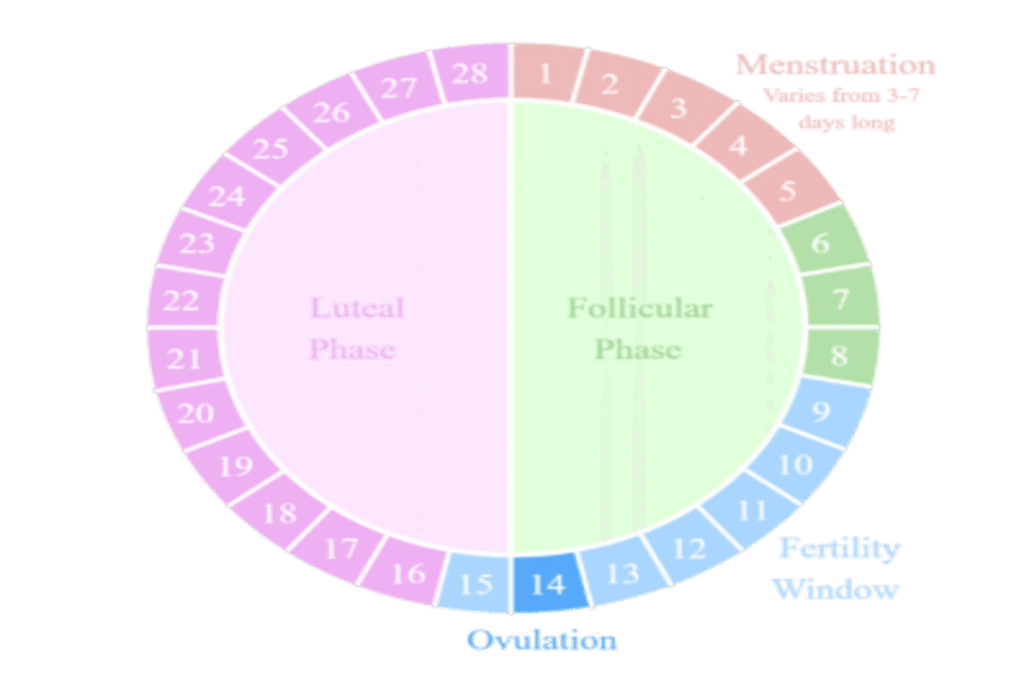
Image source: guavahealth.com
Can You Plan Your Conception Date?
Yes! If you’re trying to get pregnant, you can estimate your fertile window in advance. Start by understanding your cycle length, since ovulation generally occurs around the middle of your cycle. Your fertile window typically begins about two to three days before ovulation and lasts until about 24 hours afterward. Planning intercourse during this window significantly increases your chances of conceiving. For example, in a 28-day cycle, ovulation usually happens around day 14, which makes days 11 to 15 the most fertile.
Why Knowing Your Conception Date Matters?
Knowing your conception date can be helpful for several reasons. It gives you a clearer pregnancy timeline, helping you estimate your due date more accurately. It also supports your medical care, ensuring you receive the right prenatal attention at the correct stages. On a personal level, tracking your conception date allows you to better understand when your pregnancy began. That said, while tools and calculators can provide useful estimates, nothing replaces professional medical guidance. So always confirm with your doctor or midwife.
Frequently Asked Questions (FAQ)
How accurate are conception date calculators?
Can I calculate my conception date with irregular periods?
Can I conceive outside my fertile window?
Why do doctors use my last period instead of the conception date?
Can stress affect when I conceive?
The Takeaway
Your conception date might not be exact, but estimating it can still be exciting and useful. Whether you’re already pregnant and curious about your timeline, or you’re planning ahead, tools like our Conception Date Calculator make it simple to estimate.
Pairing this with advice from trusted sources like the NHS or the Mayo Clinic ensures you have the most accurate information to guide you through your pregnancy journey. Remember, while calculators provide valuable insights, always confirm your dates and milestones with your healthcare provider for the most reliable results.
Other Helpful Tools
At Better Health Check, we’re committed to providing you with the tools you need for every stage of your health and wellness journey.
- Planning for Pregnancy: Once you’ve successfully conceived, our Conception Date Calculator can help you get the exact date of conception, And our Ovulation Calculator will give you an estimated ovulation date. Also our Due Date Calculator will give you an estimated due date for your little one.
- Maintaining a Healthy Lifestyle: A healthy lifestyle is crucial when you’re trying to conceive. Our Adult BMI Calculator and Calorie Deficit Calculator can help you stay on track with your health and fitness goals.
- For the Little Ones: And for when your family grows, our Children’s BMI Calculator can help you monitor your child’s health.
View Sources +
-
Sanford Health. (n.d.).
What does your due date really mean?
https://news.sanfordhealth.org/womens/what-does-your-due-date-really-mean-2-2/ -
The Royal Women's Hospital. (n.d.).
Ovulation and conception.
https://www.thewomens.org.au/health-information/fertility-information/getting-pregnant/ovulation-and-conception -
Johns Hopkins Medicine. (n.d.).
Calculating a due date.
https://www.hopkinsmedicine.org/health/wellness-and-prevention/calculating-a-due-date -
American College of Obstetricians and Gynecologists (ACOG). (2017).
Methods for Estimating the Due Date (Committee Opinion).
https://www.acog.org/clinical/clinical-guidance/committee-opinion/articles/2017/05/methods-for-estimating-the-due-date -
PubMed. (2020).
Naegeli’s rule revisited (example placeholder title).
https://pubmed.ncbi.nlm.nih.gov/33079400/ -
WebMD. (n.d.).
Estimate due date.
https://www.webmd.com/women/estimate-due-date